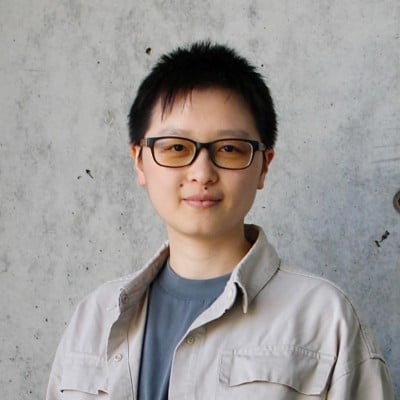
At the recent Parse London User Group Meeting, Hsiu-Chuan Lin, Group Leader at CRG Barcelona shared how combining large-scale perturbation screening with single cell transcriptomics is transforming how we engineer human neurons from iPSCs.
Her work shows that widely used NGN2 induction actually produces a diverse mix of neuronal subtypes—not a single homogeneous population—highlighting the importance of single-cell resolution to truly understand cell identity.
By layering morphogen patterning on top of NGN2 and profiling hundreds of conditions with Parse technology, the team mapped how signaling gradients and transcription factor networks drive specific neuronal fates. They further validated key regulators as both necessary and sufficient, opening the door to more precise, programmable cell engineering.
Key takeaways:
-NGN2-induced neurons are more heterogeneous than previously thought (spanning CNS + PNS identities)
-Combinatorial perturbation + single cell profiling enables scalable mapping of cell fate decisions
-Gene regulatory networks can be leveraged to design and purify specific neuron subtypes